BEHIND THE SCENES
Writing, Sharing Resources and Ideas
Relax. Enjoy. Fly…
It wasn't my idea. A very creative friend, Iain McAleese, proposed Star Cloud in the first place and, for various reasons, asked if we could produce it. It sounded interesting so I put the word out, inviting people to write something on the subject of starlings' murmurations.
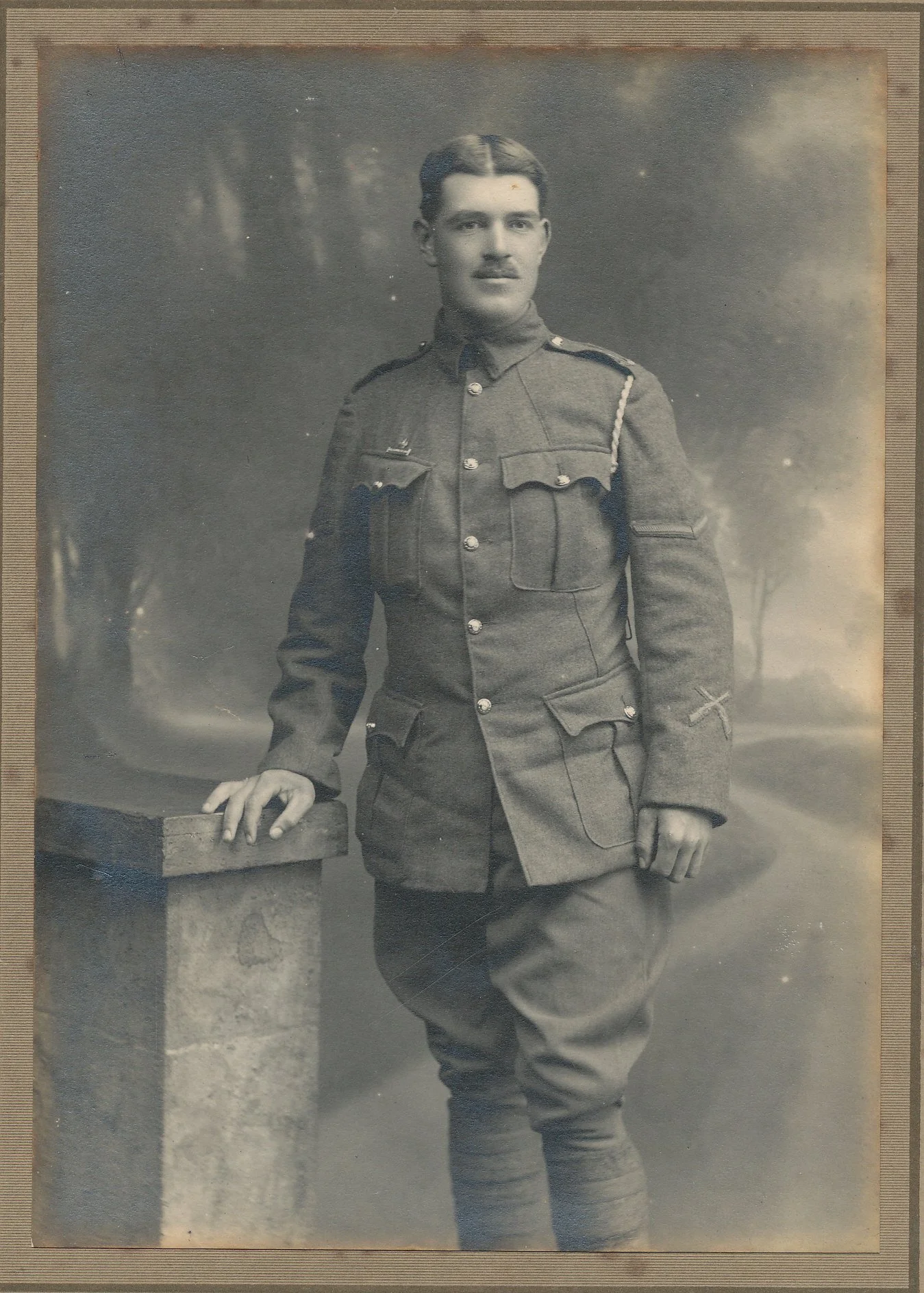
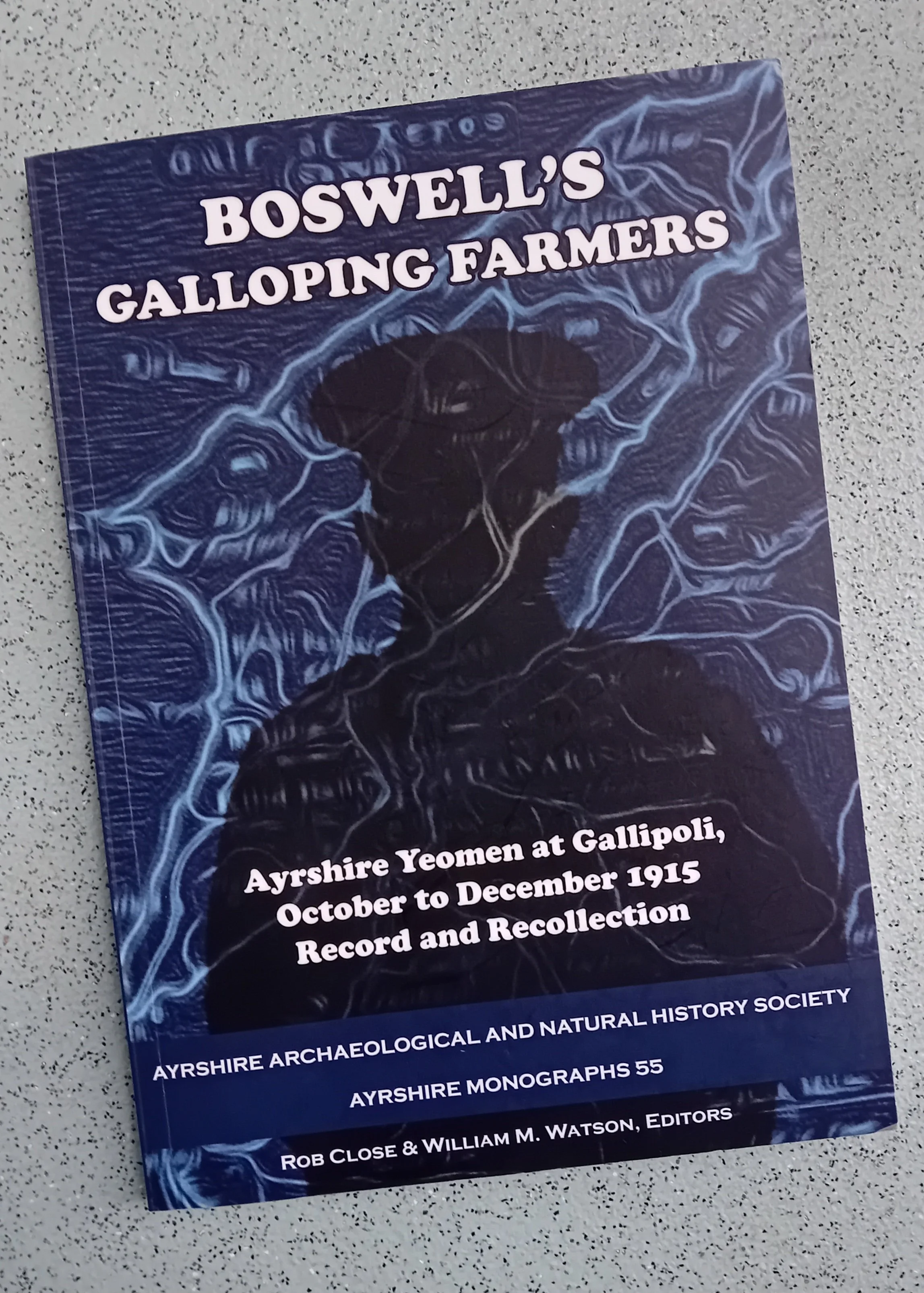
If I’m honest, I was uncertain about making Boswell’s Galloping Farmers. It is, after all, more of a dramatised audio book than a full audio drama. Plus, it felt important to honour the man who wrote the original memoir and to do his story full justice. Quite a responsibility – and quite a task. But working with Martin Gallagher and John Boyd, it seems we pulled it off for listeners in different parts of the world. You can read some of their reactions here.
A confession: when I was first offered the chance to “do something” with this book by my friend, Rob Close, I wasn’t particularly interested. Rob and his co-editor, Willie Watson, had put together a collection of documents found in Ayrshire farm houses which all related to the infamous Gallipoli campaign of 1915. What changed my mind?
One of the remarkable things about putting together ‘The Glad Giver’ was the way in which creative people came forward to offer their work in support of it. Even before I had auditioned the actors, a writer friend had introduced me to her recorder group, called (and I love the Scots wordplay) Thistle Doo. The leader of the group, Jacqueline Fitzgibbon, read the script I sent and the next day offered to compose a piece of music especially for it.
‘The Glad Giver’ is, again, a story that has been playing in the very back of my mind for a long time. Like many people, I am fascinated by the figure of Julian of Norwich whose real name we don’t know. A medieval anchoress, confined in a single stone room attached to St Julian’s Church, she wrote the first book we have in English by a woman.
This is a story of friendship and loyalty, part of the fascinating history of the Craufurds of Ayrshire, who date their title back two thousand years. Very little of this is in the public domain, and so I pored through boxes of letter and manuscripts to find the nuggets of information that could be translated into a dramatic piece.
Robert Burns and Mrs Frances Dunlop were friends; their friendship, based on mutual respect, lasted a decade. This play is based on extracts from the many letters that passed between them.
The Isle of Donan is a fictional place, closely based on a real island off the west coast of Scotland. When it suits me, though, I ascribe customs and attributes to Donan from other real islands — such cavalier borrowings are the privilege of the fiction writer…
The grain of an idea — sometimes that’s all it takes to grow a story. In this case, it was planted on a grey and windy day on a Scottish island where distilleries abound.
It was still lockdown, but the power of the internet meant that I could chat to a fellow writer in Brisbane, and she had an idea for a detective series. It would be composed of stories by writers across the world and the common denominator would be the victim…
They’re dear friends, so they said: We love your plays. The evening wore on. Wine was taken. They said: But your stuff is very dark, very sad. Why don ‘t you write something happy? A love story? And because they’re dear friends, I decided I would.
I’m envious and a little in awe of fellow audio dramatists that I meet online in various social media groups. Most of them do their own recording and production and I know that such technical skills may well be beyond me forever. Luckily for me, I’ve learnt long ago the value of other people’s skills and expertise.
I am to be envied. Sitting under the trees in a garden in a village in the Vendée; the heat of the day has abated a little, and it's almost apéritif time. I have always loved the Vendée:
The Castle of Tiffauges stands at a bend in the busy D753 which runs west from Cholet, ancient town of weavers, to the salt marshes of Saint-Jean-de-Monts. It is known as Le Château de Barbe-Bleue: Bluebeard's Castle.
'Confessional' deals with the relationship, factual and imagined, between Gilles de Rais, medieval serial murderer and France's warrior-saint, Joan of Arc.
In the old folk tales of the Vendée and beyond, the character of Bluebeard murdered successive wives in a gruesome chamber of his castle. Tiffauges, once the home of Gilles de Rais, is known widely as Bluebeard's castle, and the remains of a sinister double-walled keep are said to testify to his crimes of child murder.
My fascination with the voice and persona of the French singer, Edith Piaf, goes back a very long way. I can remember as a child hearing her on the BBC Light Programme and being captivated even then by its plaintive, husky swoops and dips.
I started to write my play. A great deal has been written about Edith Piaf, and my aim was to bring forward some of the lesser known aspects of her life. She is known for her many affairs with men, but …
Andrée Bigard (Dédée) became Edith’s secretary during World War 2 and used her work for the singer as a cover for her work with the French Resistance…
The folder was very thin. I sat at one of the long tables, the researcher’s lamp switched on to make reading and photography easy, and worked my way through the documents…
“Making a decision to write was a lot like deciding to jump into a frozen lake.”